

The 3rd International Conference on Aerospace, Mechanical and Materials Engineering (AMME 2026) Concludes Successfully!!
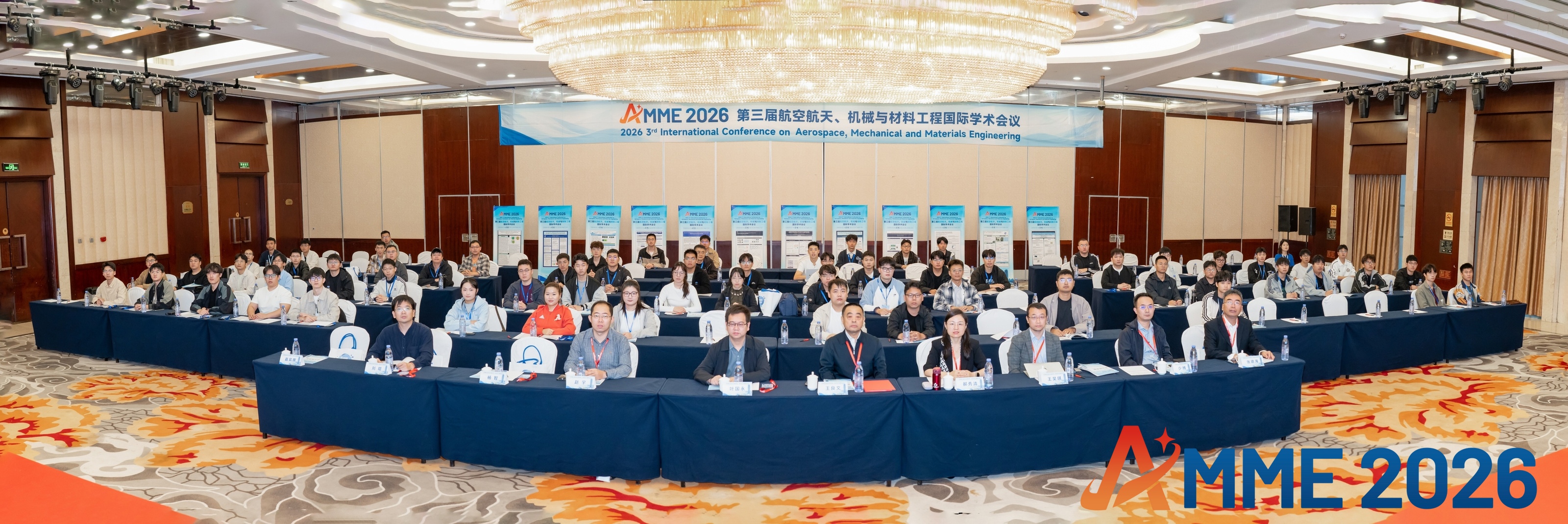
On October 17, the 3rd International Conference on Aerospace, Mechanical and Materials Engineering (AMME 2026) was held in Zhengzhou, Henan Province, and concluded successfully. The conference was hosted by Zhengzhou University of Light Industry.
The conference brought together experts, scholars, and early-career researchers from universities and research institutes across China. Participants discussed emerging topics in aerospace equipment, advanced machining, intelligent cooperative control, functional materials, digital twins, and sensing technologies. Topics included machining difficult-to-machine materials, cooperative decision-making by multi-agent systems, quantum-dot fabrication, safety management in human–robot collaboration, aircraft aerodynamic design, resonant devices, humidity sensing, amphibious aircraft simulation, spaceborne reducers, microwave devices, aluminum alloy forming, and microstructural evolution. The discussions promoted interdisciplinary exchange and integration across the aerospace, mechanical engineering, and materials science fields.
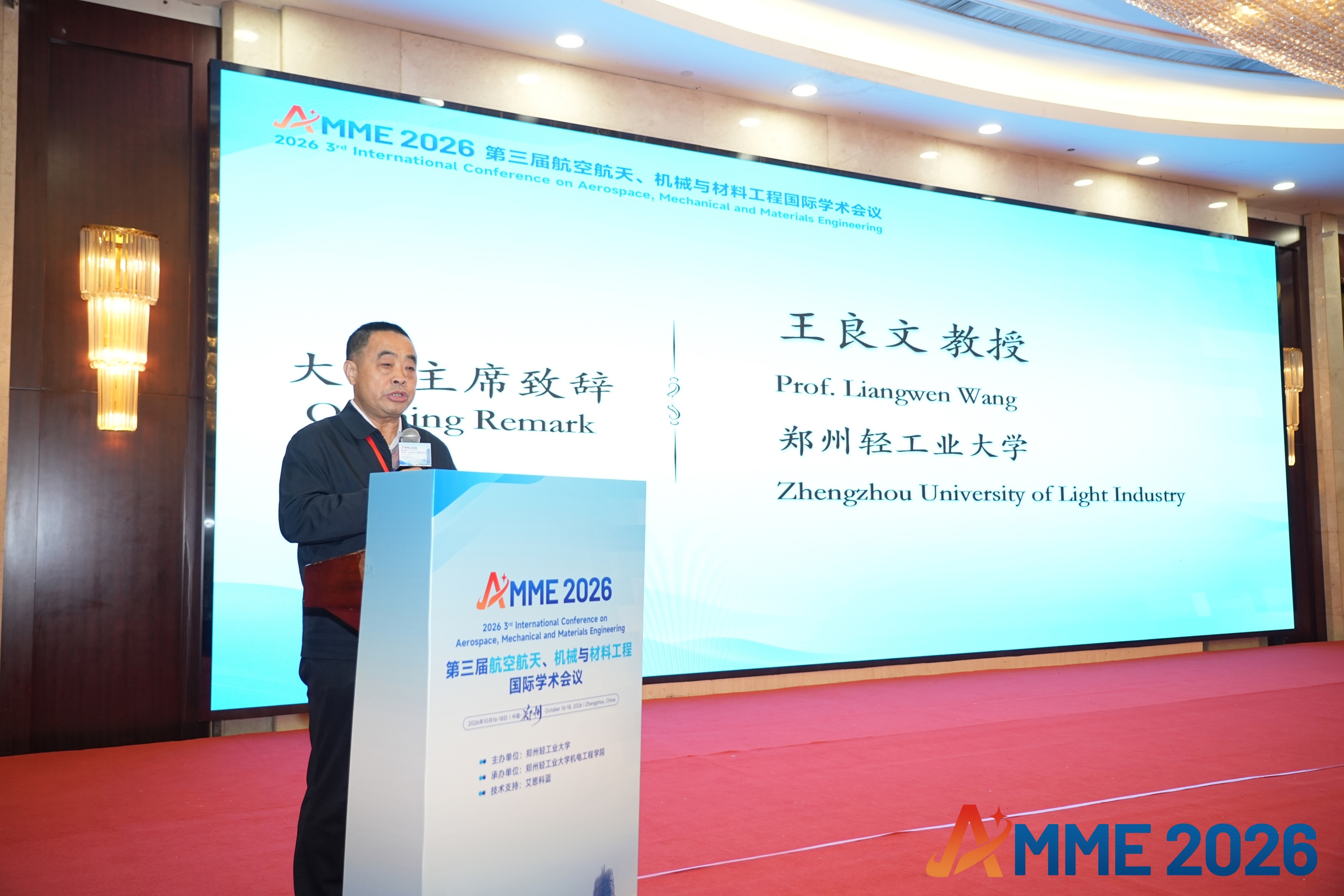
At the opening ceremony, Conference Chair Professor Liangwen Wang of Zhengzhou University of Light Industry delivered the opening address. He warmly welcomed the experts, scholars, and delegates in attendance and expressed his hope that participants would engage in lively exchanges and advance research and innovation in aerospace, mechanical engineering, and materials-related fields.
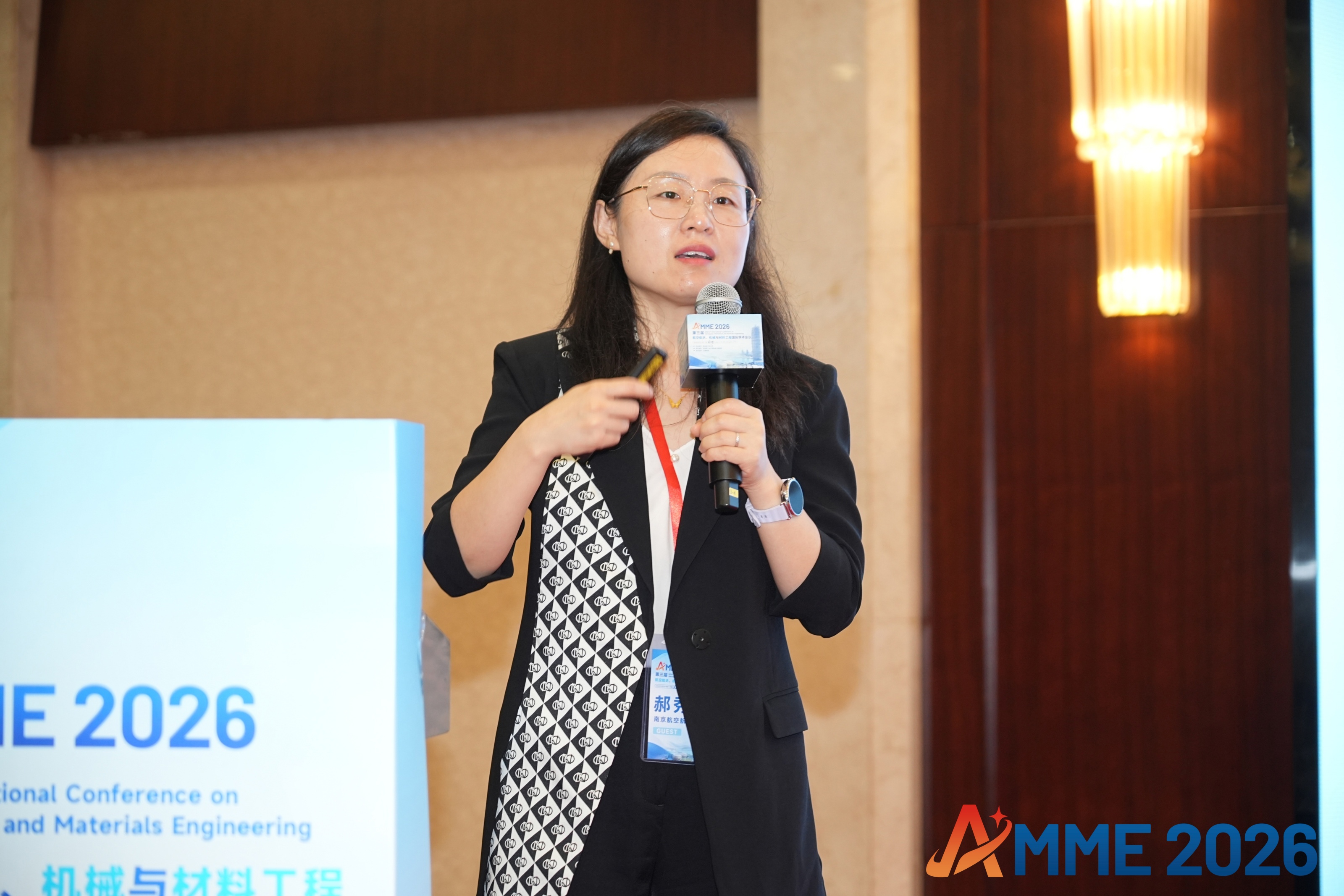
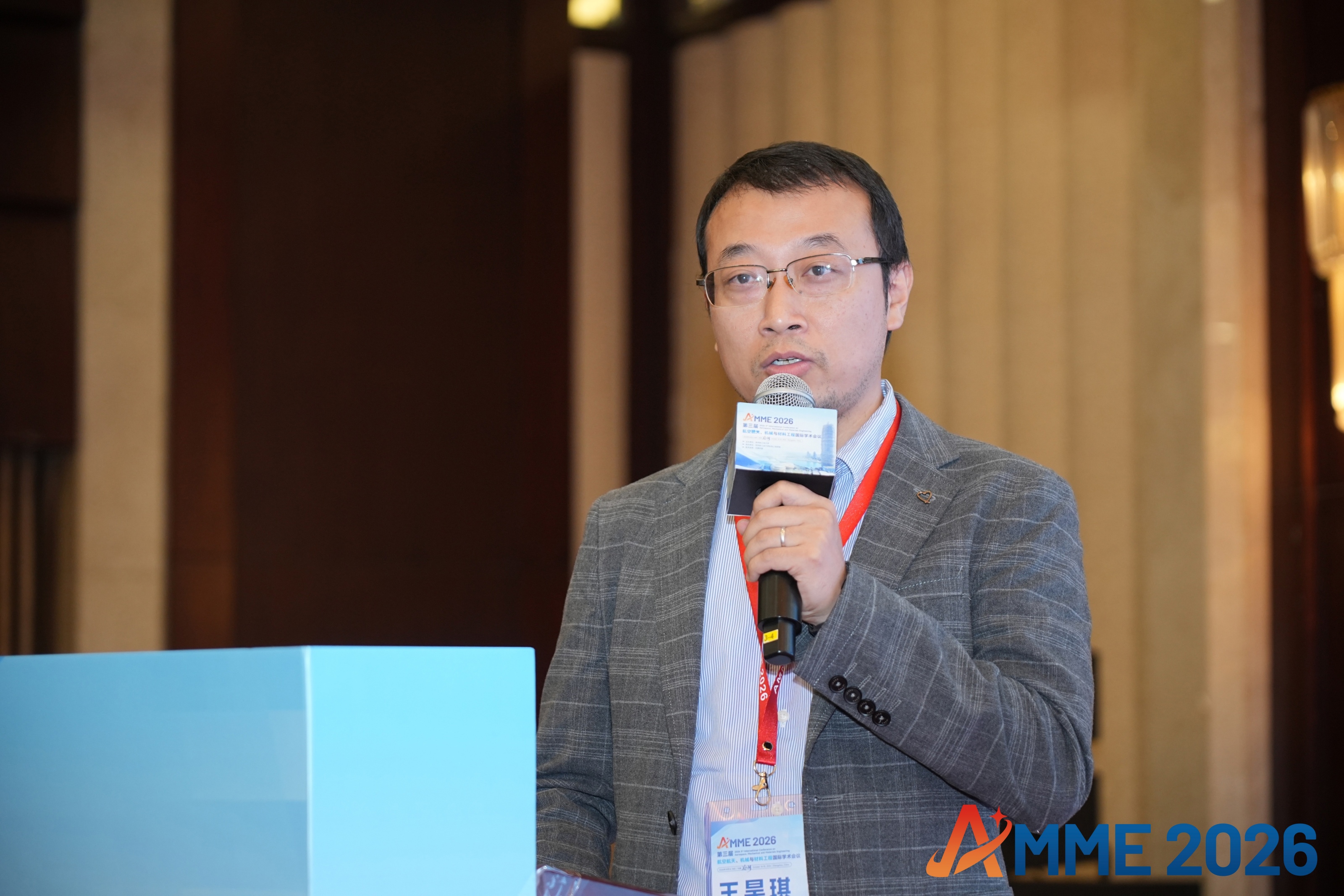
Several distinguished experts delivered high-caliber keynote presentations. Professor XiuqingHao of Nanjing University of Aeronautics and Astronautics discussed laser-enabled machining technologies for difficult-to-machine materials. Professor Yu Zhao of Northwestern Polytechnical University presented research on dynamic average consensus for cooperative encirclement and capture using spacecraft nets, introducing two novel “dynamic-surplus” methods. Researcher ZhiYang of Zhengzhou University examined the design and fabrication of novel quantum-dot scintillators and their applications in X-ray imaging. Researcher HaoqiWang of Zhengzhou University of Light Industry shared technologies and practical approaches for proactive safety management in human–robot collaboration based on industrial digital twin systems. Combining theoretical depth with engineering relevance, the presentations offered attendees valuable insights into the latest research and technologies.
 |  |
 |  |
During the oral presentation sessions, early-career researchers from universities and research institutions across China took turns presenting and discussing their work. Their topics included aerodynamic optimization of flying-wing aircraft, structural design of quartz resonators, ultrafast humidity sensing, amphibious aircraft simulation, applications of spaceborne harmonic-drive reducers, liquid-crystal-reconfigurable microwave devices, aluminum alloy forming processes, and the evolution of interconnect voids and microcracks. The presentations showcased the innovative thinking and research capabilities of the next generation of scientists.
The successful hosting of AMME 2026 fostered deeper academic exchange among universities and research institutions across China in aerospace, mechanical, and materials engineering, while injecting fresh impetus into innovation in advanced manufacturing, aviation equipment, and new materials. We sincerely thank all the experts and scholars for their active participation and generous support. We look forward to meeting again and exploring new opportunities for development together.